

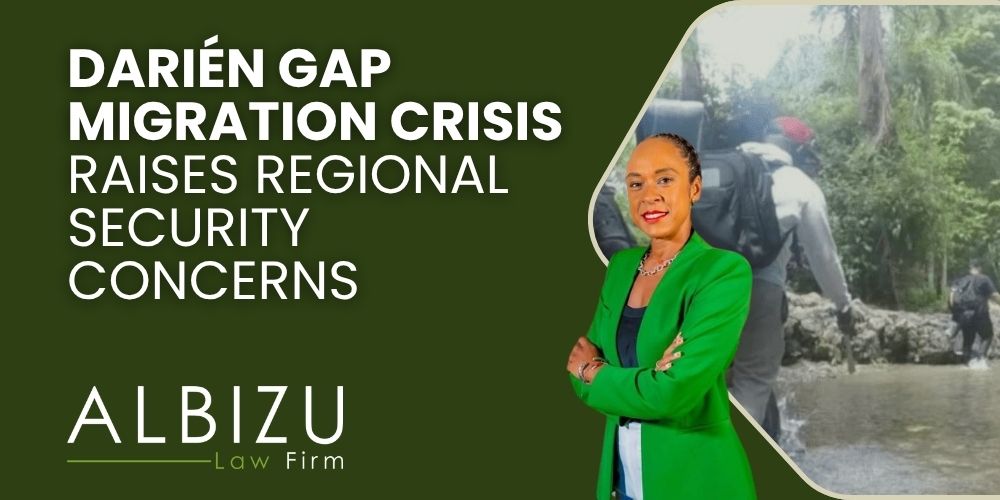
The Colombian legislature has summoned the ministers of the Interior, Defense, Health, and Foreign Affairs to discuss the migration situation in the Darién Gap, the jungle region that separates Colombia and Panama. According to Panamanian figures, more than 360,000 people have traveled through this region over the past year. Primarily, migrants from Venezuela, Cuba, and Haiti are risking their lives crossing this dangerous area in an effort to reach the United States.
The areas of Necoclí, Acandí, and Capurganá, which serve as temporary shelters for these migrants, are at the center of the debate. According to Senator Antonio Correa, the influx of migrants has created an opportunity for criminal groups to profit from migration. Estimates suggest that migration could generate as much as $12 million per month for these organizations, rivaling drug trafficking as a source of funding.
From New York, during the 78th United Nations General Assembly, Colombian President Gustavo Petro emphasized that the Darién Gap is a critical point in regional migration. He said he had faced pressure from U.S. political figures to build a physical barrier in the area, a proposal he has rejected. Petro called for broader discussions between Latin America and the United States to find collaborative solutions to this challenge.
Petro also announced plans for bilateral meetings with Panama focused on the situation in the Darién Gap.
To contain the migration flow, Panama has recently implemented measures such as limiting the length of tourist stays and increasing financial requirements for visitors. These actions reflect the severity of the situation, which, if it continues, could see more than 400,000 people crossing the Darién Gap by the end of 2023, according to projections from Panamanian authorities and international organizations.
As part of this debate in Colombia, representatives from Panama and the United States have also been summoned by the Colombian Congress to address not only the social challenges but also the security concerns and human dignity issues associated with this migration phenomenon.
If this issue concerns you, don’t hesitate to share this article with others. And if you need to schedule a personalized consultation to discuss your immigration situation, contact Albizu Law at 512-861-5638. Your voice matters!